
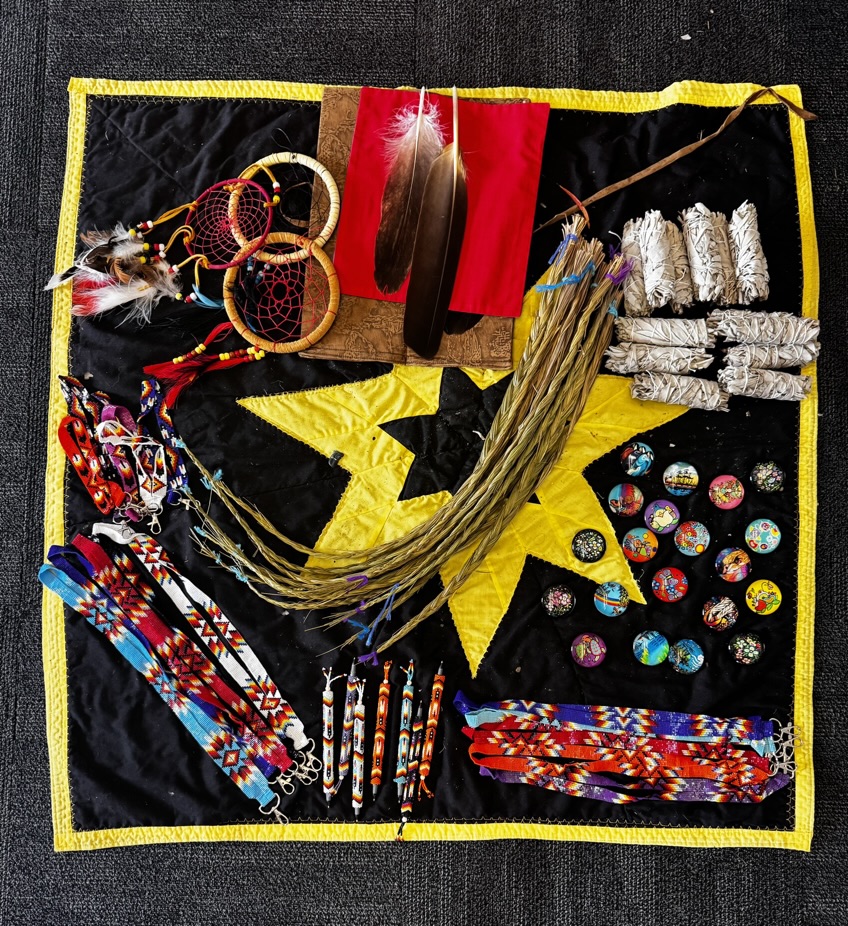
Culturally Safe Forensic Mental Health Services in Manitoba
Our newest community-based project is co-led with Manitoba Keewatinowi Okimakanak (MKO), Manitoba Inuit Association (MIA), Shared Health, and other Indigenous and community partners, including people with lived experience in forensic mental health, to explore what culturally safe forensic mental health services look like for First Nations and Métis people in Manitoba. Guided by Indigenous leadership and supported by the Social Sciences and Humanities Research Council (SSHRC), the project centres wellness, self-determination, and respect for distinctions-based experiences.

Cross-Cultural Feigning Assessment in Mexico City
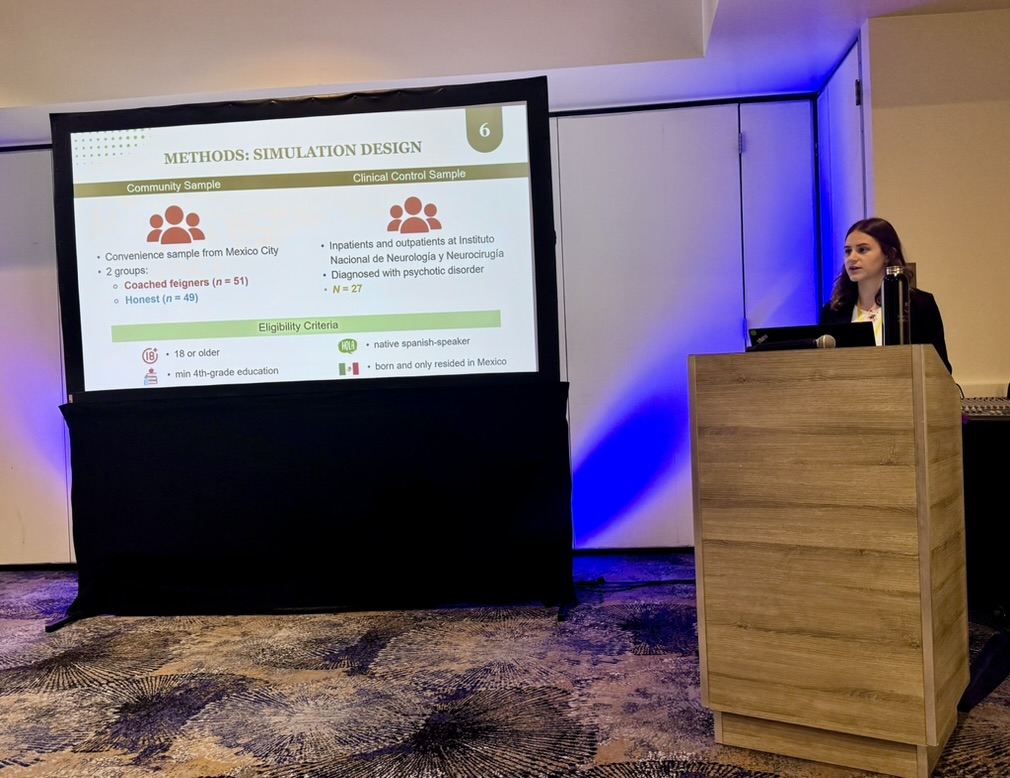
This international collaboration examines how well commonly used feigning assessment tools, such as the Test of Memory Malingering–2 (TOMM-2), Dot Counting Test (DCT), Inventory of Problems-29 (IOP-29), Miller Forensic Assessment of Symptoms Test (M-FAST), and the Structured Interview of Reported Symptoms (SIRS-2), perform with Spanish-speaking adults in Mexico City. Findings reveal how cultural and linguistic differences affect the accuracy of tests used to detect feigned or exaggerated symptoms in forensic evaluations. The project is the first to evaluate these measures in a Latin American population and provides critical insight into improving the fairness and validity of forensic assessments across cultures.

Mental Health Experiences of Women on Probation & Parole in Canada
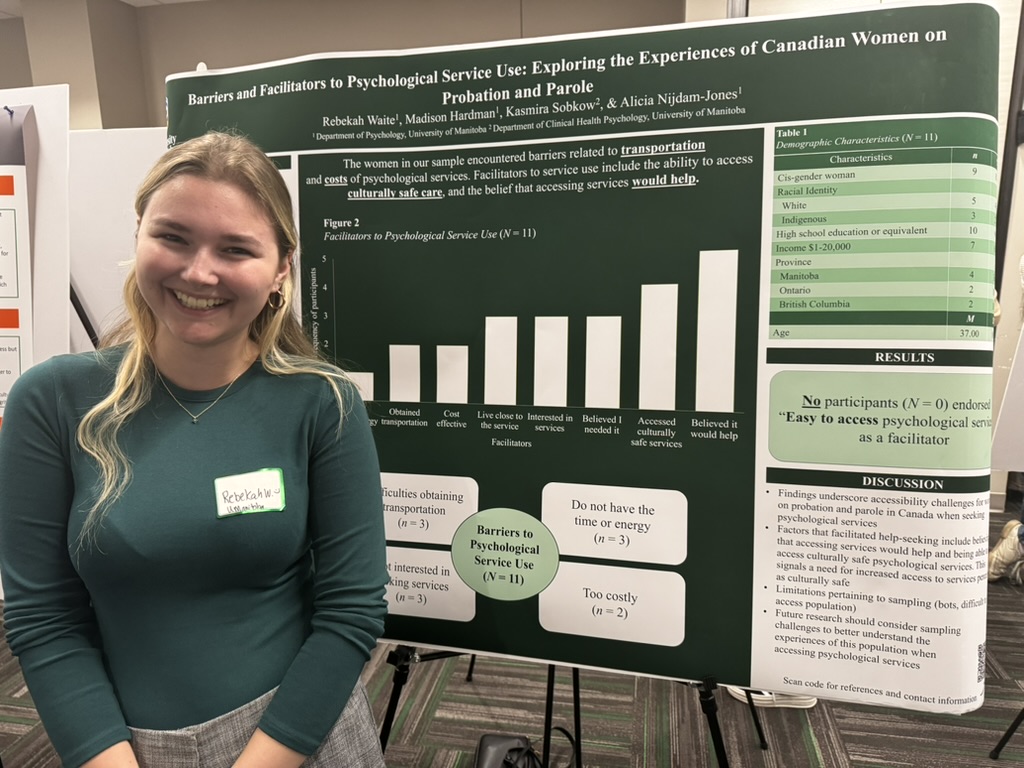
The study investigates the mental health experiences of women on probation and parole in Canada, highlighting their use of mental health services and the factors influencing help-seeking. It emphasizes the importance of culturally safe, trauma-informed care and recommends creating flexible treatment plans tailored to women’s needs. Findings aim to inform policy and practice improvements.
Recent Publications
†graduate trainees, ‡undergraduate trainees, *community partners. A complete list of our publications can be reviewed on Google Scholar and ResearchGate.
2026
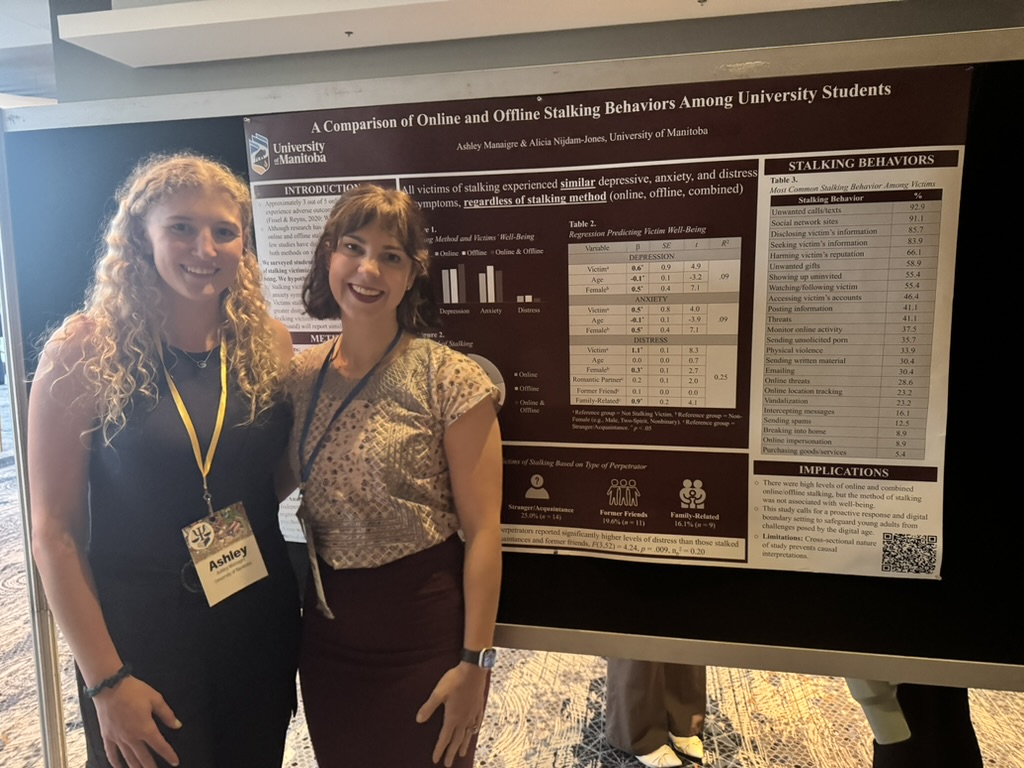
Manaigre‡, A., & Nijdam-Jones, A. (2026). A comparison of online and offline stalking behaviors among university students. Journal of Threat Assessment and Management. Advance online publication. https://dx.doi.org/10.1037/tam0000265
Nijdam-Jones, A., Aminot†, K., Merchan-Rojas, L., Díaz Victoria, A. R., & García-López, E. (in press). Cross-cultural validity of the TOMM 2 and DCT in Mexico: A simulation study of feigned psychosis. Psychological Injury and the Law.
2025
2024
2023
Selected Pubs from 2022 and Earlier

 PLC Lab